Tag: Distance Casting

  • Hatteras Cast

    Hatteras Cast

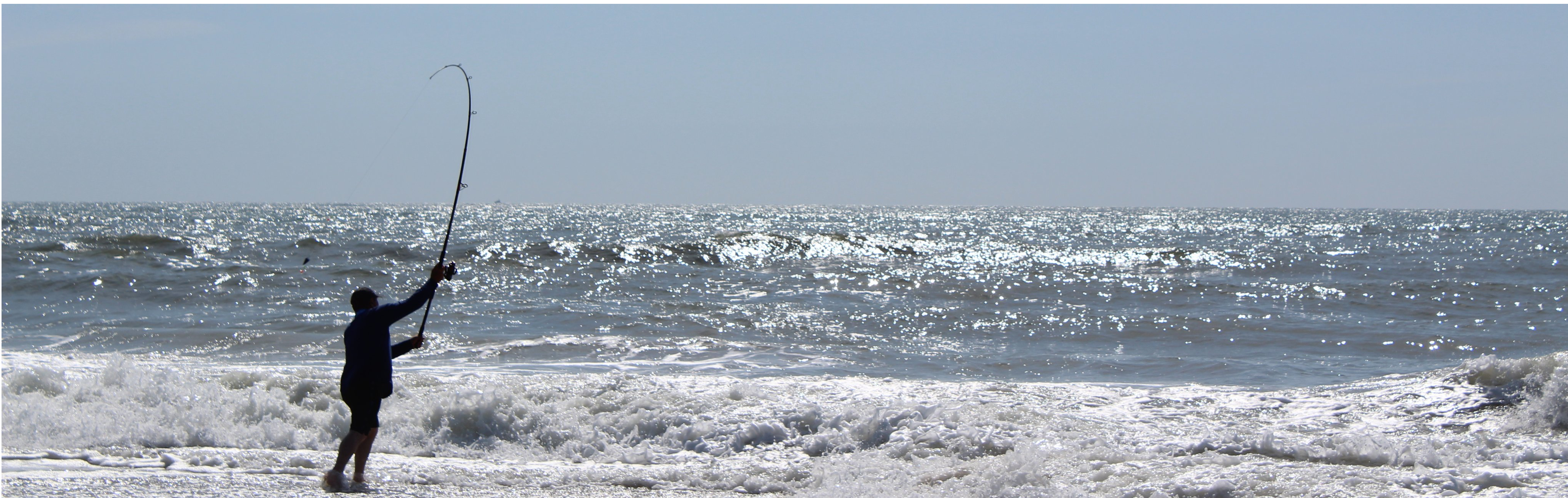
    All of the casting techniques I found focus on getting the rod loaded with energy instead of using your arm strength to heave your rig. Accomplishing this requires extending your arms throughout the cast. Most of us keep our arms in tight while casting which takes most of the power out of the cast. The other key element is using the arm and hand holding the rod near the reel as a fulcrum and snapping down with the arm and hand holding the bottom of the rod at the end of the cast.

    Another important part of these casting techniques is where to end your casting stroke and release the line. The best advice I could find, and what works for me, is to set your sights to a forty-five degree angle to the horizon and release when your rod reaches that point.

    This cast is very similar to the Pendulum cast. The swinging of the terminal tackle is different and requires less room around you than the Pendulum. I ended up choosing this cast after experimenting with the others and have never looked back.

    I like this video series because the casting demonstration is from the world record holding caster. Seeing Tommy Farmer show a surf fisherman how to improve his cast on the spot was a real eye opener for me.

    I watched this tutorial video by Tommy Farmer to get my technique working. I watched the slow motion section a number of times to get my footwork coordinated with my arms. I like Tommy Farmer, he is excellent at describing and demonstrating casts as well as being an accomplished competitive caster and surf fisherman. I encourage you to visit his website, Carolina Cast Pro. and check out his DVD Comprehensive Guide to Power Casting“.

  • Shock Leader

    Shock Leader

    Before we start casting into the far horizon, dropping our bait into the path of record breaking Blues, Stripers and Drum, we need to make sure that our rod-reel-line setup can handle the additional forces we are going to put on it without breaking. There’s nothing worse during surf fishing than losing your fishing rig(the part with the hooks bait and weight) during the cast. The sound of the line snapping and watching your rig fly out into the ocean is a depressing experience (not to mention environmentally unsound). To keep this from happening we are going to add a heavier line to the end of our running line called a shock leader. When we talk about the fishing line on the reel, two terms are pretty common:

    Running Line or Main Line – The predominant line loaded on your reel. This line is selected based on the fishing conditions and size of fish being targeted. I generally use a thirty pound test braided or twenty pound test monofilament running line. See the Surf Fishing Line post for background on line selection.

    Shock Leader-The line attached to the end of the running line to absorb the forces applied during the cast. We want the shock leader to have low stretch and I like it to be clear so fish will not see it. I prefer either monofilament line designed for leaders or fluorocarbon leader lines.

    I have found that the common wisdom for selecting the pound test for a shock leader is to use the ten pound to one ounce rule. So, if your fishing environment requires a five ounce sinker plus one ounce of bait, you would want to use a sixty pound shock leader.

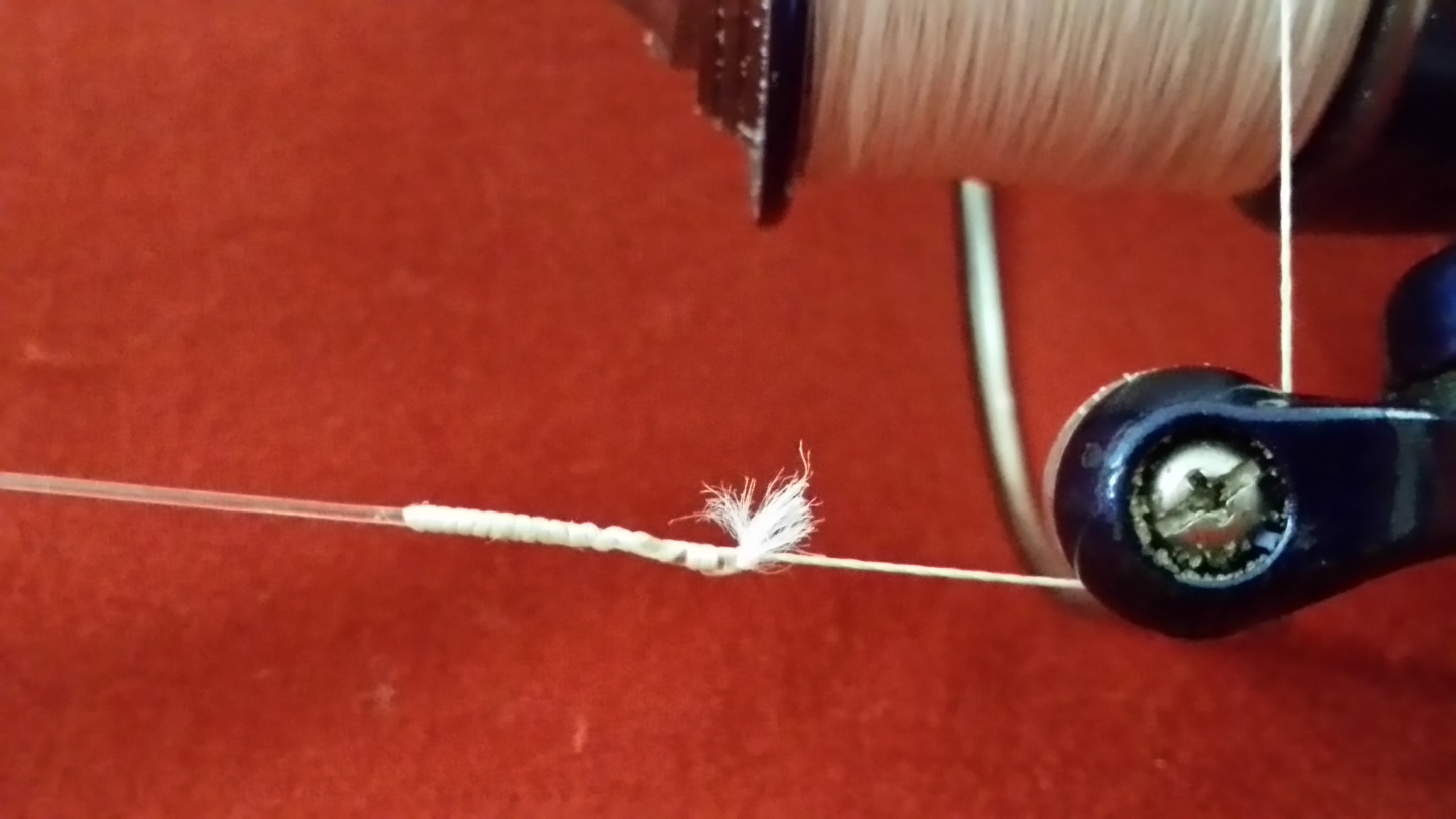
    The shock leader is attached to the running line using one of many knots designed for line-to-line connections. This was a real challenge for me and I performed a good deal of research on knots that work well for shock leader attachment with a focus on ease of tying. The idea of a shock leader was not new to me, my buddy Mike and I experimented with it many years ago and had a terrible experience. The knot would come undone every five or six casts and we were using a Bimini Twist knot that we found difficult to tie. In short, it was so frustrating that we gave up. I have settled in on three knots for my shock leaders and focused on strength, ease of passing through the rod guides and ease of tying.

    Line Types Knot Comments Knot Post Link
    Monofilament or Fluorocarbon Shock Leader to Braided running line FG Knot I was a little doubtful about being able to use this knot until I saw professional fisher Adrian Gray’s video. He uses a tension trick that makes tying the knot a breeze and I’ve been using it ever since.
    Monofilament or Fluorocarbon Shock Leader to Monofilament or Braid running line Albright Special knot Holds and passes through the guides well. I found it easy to remember how to tie this knot.
    Monofilament or Fluorocarbon Shock Leader to Monofilament running line Improved Blood Knot Holds and passes through the guides well. I found it easy to remember how to tie this knot.

    I use glue on my shock leaders to make sure they stay secure as long as possible. It took me a while to settle in on the right glue to use. I saw recommendations for Super Glue, which I’m not crazy about fooling around with when tying knots and it dries a little stiff for me. After long searching, I found UV Knot Sense that provides a glue that is specifically designed for fishing knots, it dries to a supple state which is just what I was looking for.

    The shock leader should wrap around your reel spool three to five times, go all the way through the guides to the top of the rod and back down to your reel.

    Check your shock leader and knot regularly while your fishing to make sure it is not coming undone and cut it out and re-tie it if it begins to look worn or weak. I re-tie my shock leaders on each trip and change them out entirely each year.

    Product Recommendations – Here are links to the products I use for shock leaders.

    Save on shipping. Try Amazon Prime 30-Day Free Trial
    Vendor Model Line Type Line Materials Use Amazon Link
    Berkley Trilene Big Game Mono Monofilament Nylon Shock Leader
    Berkley Vanish Fluorocarbon Leader Fluorocarbon Extruded polyvinylidene difluoride (PVDF) Shock Leader
    Boomerang Tool Company Line Cutting Tool All All All
    Loon UV Knot Sense All All All